

Categories
Charlotte NewsPublished June 18, 2026
The Charlotte Neighborhoods to Watch After the I-77 Vote

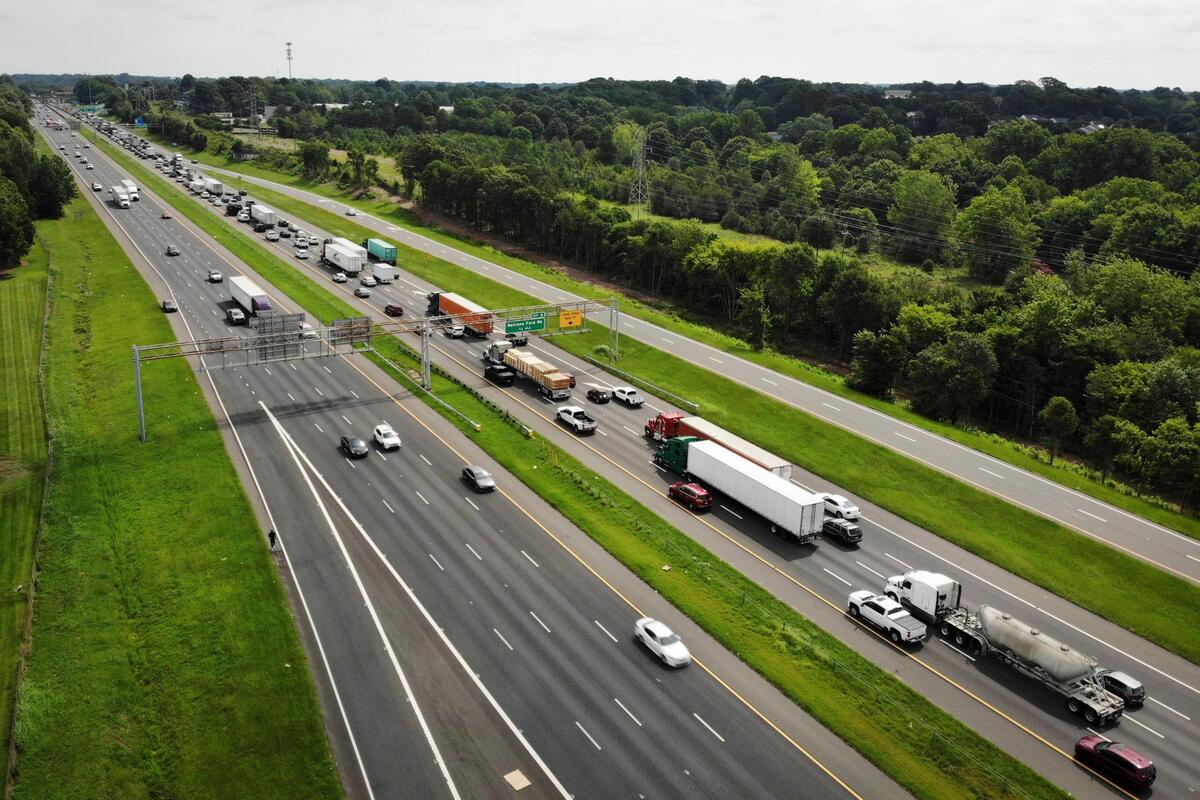
How a Canceled Highway Project Could Reshape Charlotte
One of the biggest transportation projects in North Carolina just came to an abrupt stop.
And depending on where you live, work, or plan to buy a home, that could be either very good news or very bad news.
For more than a decade, state leaders had been planning a massive expansion of Interstate 77 South between Uptown Charlotte and the South Carolina state line.
The project carried an estimated price tag of roughly $4.3 billion. Today, it's effectively dead.
And the consequences could shape Charlotte's growth patterns for years to come.
What Happened to the I-77 South Expansion?
The proposal would have expanded approximately 11 miles of Interstate 77 South through Charlotte.
The project included plans for new toll lanes and major infrastructure improvements intended to address one of the region's most congested transportation corridors.
Support for the project unraveled in May after both Charlotte City Council and the Charlotte Regional Transportation Planning Organization voted to withdraw support.
Soon after, state officials announced that funding previously reserved for the project would be redirected elsewhere.
The result? The long-discussed I-77 South improvements are likely delayed for at least another decade.
Why the Project Faced Opposition
The cancellation wasn't simply about traffic.
Many residents and neighborhood groups argued the project would create significant impacts on communities located along the corridor.
Concerns included:
- Property acquisition
- Park impacts
- Greenway disruptions
- Elevated toll lanes near residential neighborhoods
- Additional division of communities already affected by previous highway construction
For many residents in west Charlotte, the decision represented a victory for neighborhood preservation.
Which Neighborhoods Benefit?
While the transportation improvements won't happen, several neighborhoods gain something equally valuable:
Certainty.
Homeowners in areas such as:
- Wilmore
- Wesley Heights
- Biddleville
- McCrorey Heights
- Parts of Third Ward
no longer face the possibility of nearby demolition, roadway expansion, or years of major construction activity.
In real estate, uncertainty often suppresses buyer confidence.
Removing that uncertainty can create the opposite effect.
For many of these neighborhoods, the long-term outlook may have become more stable overnight.
Who Loses?
The answer is simple:
Commuters.
Particularly those who rely on I-77 South every day.
Residents of:
- Ballantyne
- Pineville
- SouthPark
- Steele Creek
- Fort Mill
- Tega Cay
- Other South Charlotte communities
will likely continue dealing with the same traffic challenges they face today.
And as the region continues adding residents, congestion may worsen before meaningful improvements arrive.
Why This Matters for Homebuyers
When evaluating a home, most buyers focus on:
- Schools
- Price
- Neighborhood
- Home features
Increasingly, commute reliability belongs on that list.
The cancellation means buyers should pay closer attention to transportation alternatives.
Neighborhoods with access to:
- The Lynx Blue Line
- Future transit corridors
- Multiple roadway options
- Walkable amenities
may become increasingly attractive as traffic pressures continue growing.
Charlotte's Growth Isn't Stopping
The most important thing to understand is that growth will continue.
Charlotte remains one of the fastest-growing metropolitan areas in the country.
People will continue moving here.
Companies will continue hiring.
Homes will continue being built.
The only question is where that growth goes.
When major highway expansions disappear, growth doesn't stop.
It often shifts.
That's one reason some observers expect increased attention on:
Lake Norman
Huntersville, Cornelius, and Davidson already benefit from existing toll lane infrastructure and relatively predictable commute patterns.
The I-85 Corridor
Areas such as Concord and Kannapolis continue seeing significant investment and infrastructure improvements.
Transit-Oriented Neighborhoods
Communities near existing or planned transit investments may become increasingly valuable as commuters seek alternatives to highway traffic.
What Sellers Should Know
For homeowners in west Charlotte neighborhoods previously impacted by the project, this decision may remove one of the biggest questions buyers had about the area.
Meanwhile, sellers in South Charlotte still benefit from strong fundamentals:
- Excellent schools
- Corporate employment centers
- Dining and entertainment
- Lifestyle amenities
But buyers may place even greater emphasis on commute times and transportation access moving forward.
The Bigger Story
The cancellation of the I-77 South expansion is about much more than a highway.
It's about how infrastructure decisions influence where people choose to live, where businesses invest, and how cities grow.
Some neighborhoods gained stability. Others lost the possibility of transportation relief.
And the effects may continue shaping buyer behavior for years. That's why understanding local growth patterns matters. Because sometimes the biggest real estate story isn't a new neighborhood, a new development, or a new employer.
Sometimes it's the project that never gets built.
Connect With RealizeCharlotte
📱 Instagram | TikTok | YouTube
https://instagram.com/realizecharlotte
https://tiktok.com/@realizecharlotte
https://youtube.com/@realizecharlotte
Work With the Jay White Group
Buy • Sell • Invest • Build Your Career
🌐 https://jaywhitegroup.com
📧 jay@jaywhitegroup.com
🤝 Careers: https://www.jaywhitegroup.com/careers
📅 Book a Meeting: https://calendly.com/7046540733
📬 Subscribe: https://small-block-11716.myflodesk.com
or another way