
Categories
Moving To CharlottePublished November 3, 2026
South Carolina Property Taxes: What Should Charlotte-Area Homebuyers Check?

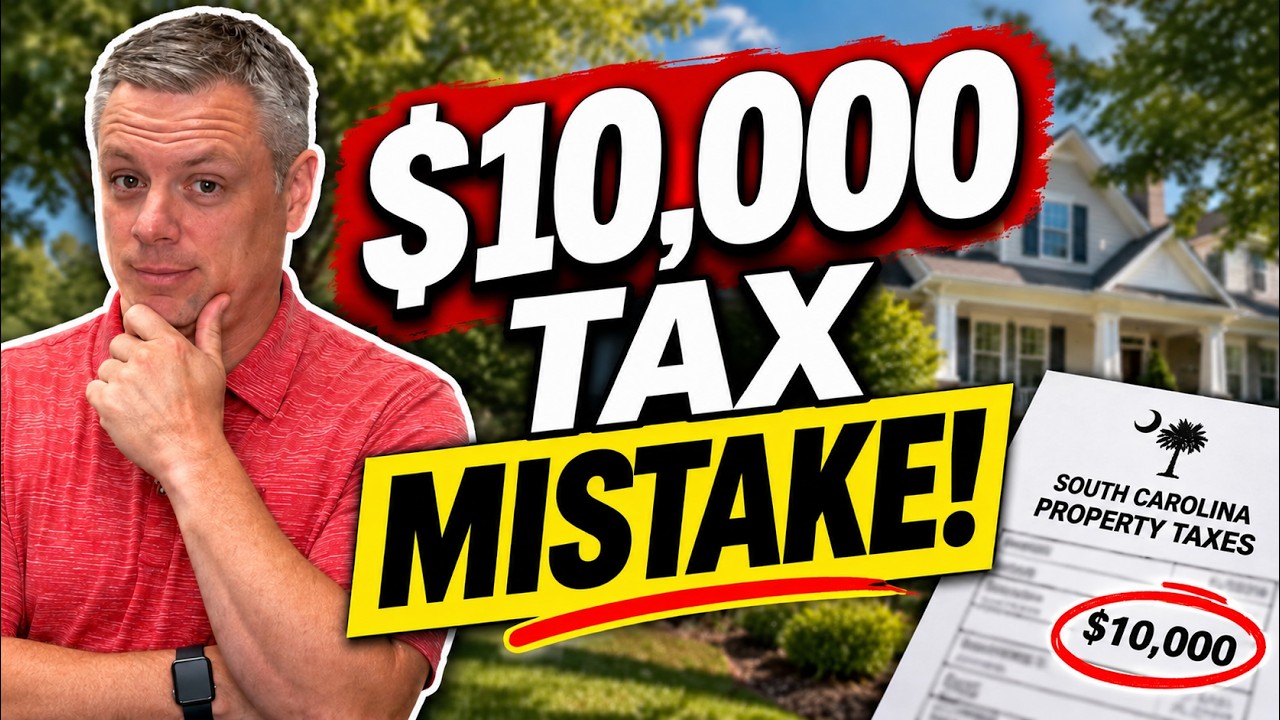
Moving from Charlotte to Fort Mill, Tega Cay, Rock Hill, Indian Land, or Lake Wylie? The property tax bill on a listing is a starting point for questions, not a promise of what you will pay. In this RealizeCharlotte episode, Jay White explains four South Carolina tax issues that can surprise buyers: legal-residence approval, a change in taxable value after a sale, mortgage escrow, and new construction.
What does South Carolina's 4% assessment ratio actually mean?
The 4% figure is an assessment ratio, not a tax rate of 4% of the home's price. York County explains that qualifying primary legal residences can receive a 4% assessment ratio after applying to the assessor. Other real property generally uses a 6% ratio. The tax calculation also depends on the property's taxable value, the applicable millage, and tax relief.
Qualifying legal residences also receive an exemption from school operating millage. That means the difference between the two classifications is not simply a 50% increase in the final bill. It varies by property and taxing district. The video's $10,000 headline illustrates the potential stakes; it is not a guaranteed increase or savings for every buyer.
Why should buyers apply instead of relying on the seller's tax bill?
Do not assume the seller's legal-residence classification automatically settles your own eligibility. Ask the county assessor which application and supporting documents your household needs, when to submit them, and how to confirm approval. York County warns that a mortgage payment can rise when a lender estimated owner-occupied taxes but the owner has not applied for the owner-occupied classification.
If you own another home, rent the property, hold title through a trust or business, or have household members living in different states, get advice about your specific situation before claiming legal-residence treatment. Confirm the applicable deadline directly with the assessor rather than waiting for a tax or escrow notice.
Can buying a home change its taxable value?
Yes. York County explains that an assessable transfer of interest can trigger a new appraisal, and that the usual 15% countywide reassessment cap does not protect the transfer value when it first becomes taxable. The county's example places a qualifying sale in one year and the reassessed value in the following tax year.
That is why the seller's old tax bill can be a poor budget for the buyer. Before making an offer, ask for an estimate based on your expected classification, the property's post-purchase taxable value, and the correct local taxing district. Avoid treating the purchase price alone as a final tax determination.
How can escrow and new construction create a second surprise?
Your lender's escrow estimate is not the county's final tax decision. If the estimate is too low, a later review can change the monthly amount collected and may reveal a shortage. Review the assumptions with your lender, then compare the eventual tax notice with the classification you were approved to receive.
For a new home, ask whether the estimate reflects the finished house and land or an earlier stage of construction. South Carolina's Department of Revenue explains that improvements and new construction can trigger reappraisal and be added to a parcel's value. A low early bill should not be treated as the long-term cost of owning the completed home.
What should buyers check before and after closing?
Before closing, identify the county and taxing district, get a property-specific tax estimate, and ask your lender what value and classification its escrow calculation uses. After closing, submit any required legal-residence application and documents, follow up on approval, and check both the tax notice and the lender's escrow review. If you think you overpaid, ask the assessor about the available correction or refund process and its limits.
This is general education, not tax or legal advice. Eligibility, deadlines, title arrangements, and refunds depend on the facts. Confirm your situation with the county assessor and a qualified tax or legal professional.
Official background: York County assessor FAQs, York County tax calculation guide, and South Carolina Department of Revenue property-tax overview.
Check out the full video here.
Connect With RealizeCharlotte
📱 Instagram | TikTok | YouTube
https://instagram.com/realizecharlotte
https://tiktok.com/@realizecharlotte
https://youtube.com/@realizecharlotte
Work With the Jay White Team
Buy • Sell • Invest • Build Your Career
🤝 Careers: https://thejaywhiteteam.com/careers
or another way